
Lake Manyara National Park
Lake Manyara National Park
Lake Manyara National Park, nestled at the base of the Rift Valley escarpment in northern Tanzania, is a jewel of biodiversity and scenic beauty. Covering approximately 330 square kilometers, with the lake itself taking up around two-thirds of this area, the park offers a unique blend of landscapes, from the soda-rich lake shores to dense woodlands and open grasslands. Despite its relatively small size compared to other Tanzanian parks, Lake Manyara is a microcosm of East Africa’s rich ecosystems, making it a must-visit destination for wildlife enthusiasts and nature lovers.
The park’s terrain is incredibly varied, starting with the lush groundwater forests that greet visitors as they enter. These forests are fed by underground springs and provide a cool, green canopy, a stark contrast to the arid landscape outside the park. The area around the lake is dominated by swamps, alkaline flats, and grassy floodplains, offering a haven for a variety of wildlife. The park’s proximity to major tourist circuits, including the Serengeti and Ngorongoro Crater, makes it an ideal stopover on a northern safari itinerary.
Wildlife Experiences
One of the park’s most iconic inhabitants is its tree-climbing lions, a rare behavior that has fascinated researchers and visitors alike. These lions are often spotted lounging in the branches of acacia trees, a unique adaptation that helps them escape the heat and avoid insects on the ground.
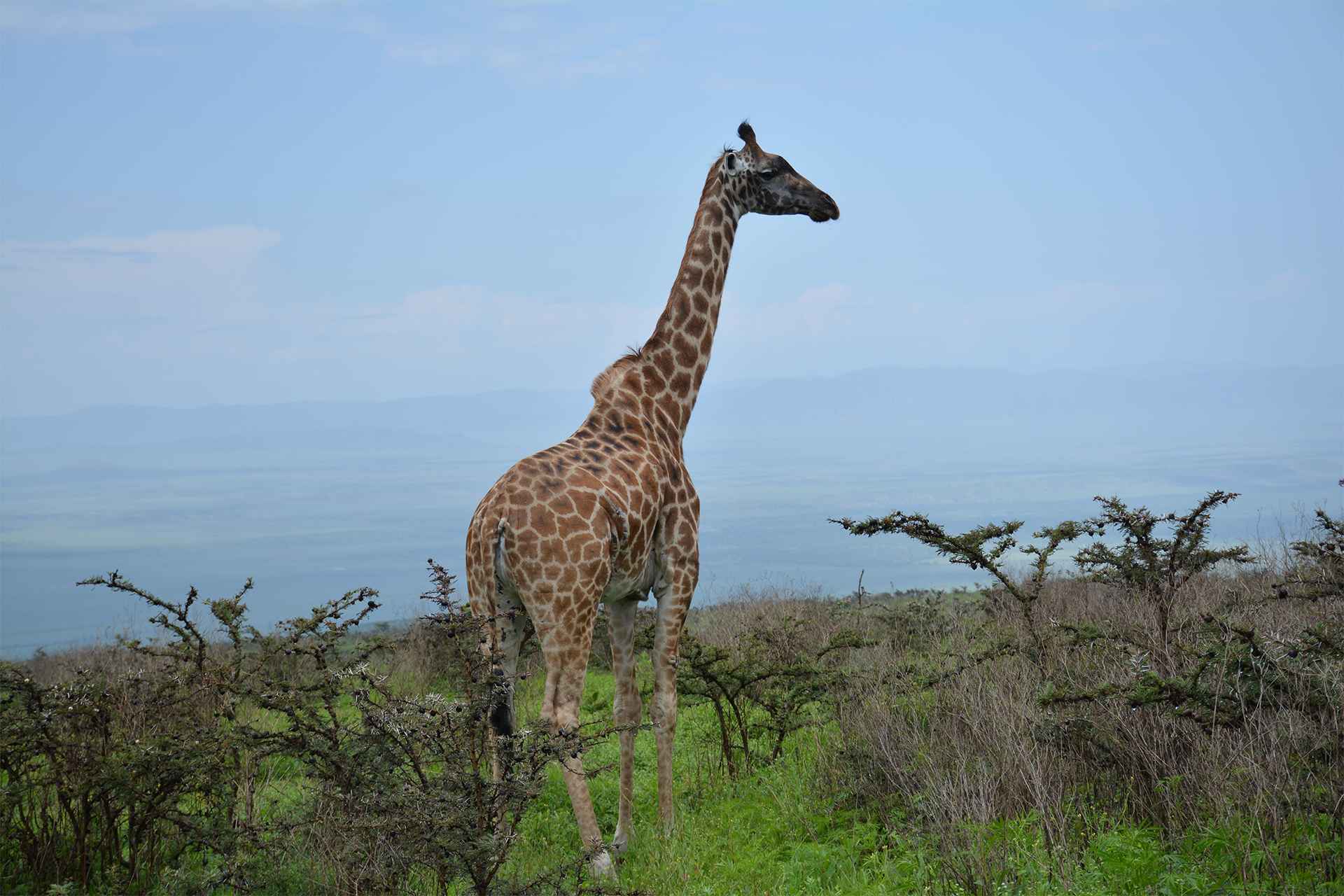
The park is also renowned for its large herds of elephants, which can frequently be seen meandering through the forests and plains. These gentle giants are often observed using their tusks to peel bark from trees or digging for water during drier seasons. In addition to elephants, Lake Manyara is home to a variety of other large mammals, including buffaloes, giraffes, zebras, and hippos, which can be seen wallowing in the muddy shores of the lake.
Birdwatchers will find Lake Manyara a paradise, with over 400 species recorded in the park. The lake itself is a vital breeding ground for thousands of flamingos, which paint the shores pink during the wet season. Other notable avian species include pelicans, storks, cormorants, and the African fish eagle. The park’s diverse habitats also attract various raptors, waterfowl, and migratory birds, making it an ideal destination for birding enthusiasts.
Things to Do
A visit to Lake Manyara National Park offers a variety of activities that cater to different interests. Game drives are the most popular way to explore the park, allowing visitors to experience its diverse landscapes and wildlife up close. Morning and late afternoon drives are particularly rewarding, as this is when animals are most active.
For a different perspective, take a guided canoe safari on Lake Manyara (seasonal and dependent on water levels). Paddling across the serene waters, you’ll have the opportunity to observe hippos, waterbirds, and other wildlife from a unique vantage point.
Another exhilarating experience is the treetop walkway, which offers an aerial view of the park’s lush forest canopy. This suspended walkway, the first of its kind in Tanzania, stretches over 370 meters and reaches heights of up to 18 meters. It’s a fantastic way to see monkeys, birds, and even butterflies that inhabit the upper layers of the forest.
Walking safaris are also available for those who want a more intimate connection with nature. Accompanied by an experienced guide, you can explore the park’s hidden trails and learn about the smaller creatures and plant life that often go unnoticed from a vehicle.
Cultural experiences are another highlight, with opportunities to visit nearby Mto wa Mbu village. Here, you can engage with the local community, learn about their way of life, and even participate in traditional cooking classes or a village tour.
When to Go
Lake Manyara National Park can be visited year-round, but the experience varies with the seasons. The dry season, from June to October, is the best time for game viewing as the animals congregate around water sources, and the vegetation is less dense, making wildlife easier to spot. This period is also ideal for those wanting to witness the flamingos and other waterbirds in large numbers.
The wet season, from November to May, transforms the park into a lush, green paradise. While wildlife might be more dispersed due to the abundance of water, this is the prime time for birdwatching, as migratory birds arrive, and the flamingos return to the lake in even greater numbers. The landscape during the wet season is also incredibly scenic, with waterfalls flowing and the air crisp and clear after the rains.
Each season offers its unique charm, so your visit to Lake Manyara National Park can be tailored to what you wish to experience. Whether you’re after close encounters with elephants, the spectacle of tree-climbing lions, or the tranquility of bird-filled shores, Lake Manyara delivers a safari experience that is both intimate and unforgettable.