
What to Expect During a Tanzania Walking Safari
What to Expect During a Tanzania Walking Safari
A Tanzania walking safari is a deeply immersive experience that allows you to connect with the African wilderness on an intimate level. Unlike the traditional game drives where you are confined to a vehicle, a walking safari places you directly in the heart of the environment, engaging all your senses as you tread the same paths as the wildlife.
The Essence of a Walking Safari
Walking safaris in Tanzania are not just about spotting wildlife; they are about understanding the ecosystem and the delicate balance that sustains it. You will learn to read the signs of the bush, interpreting animal tracks, identifying different plants, and understanding how every element of the landscape plays a crucial role in the survival of the creatures that inhabit it.
Wildlife Encounters
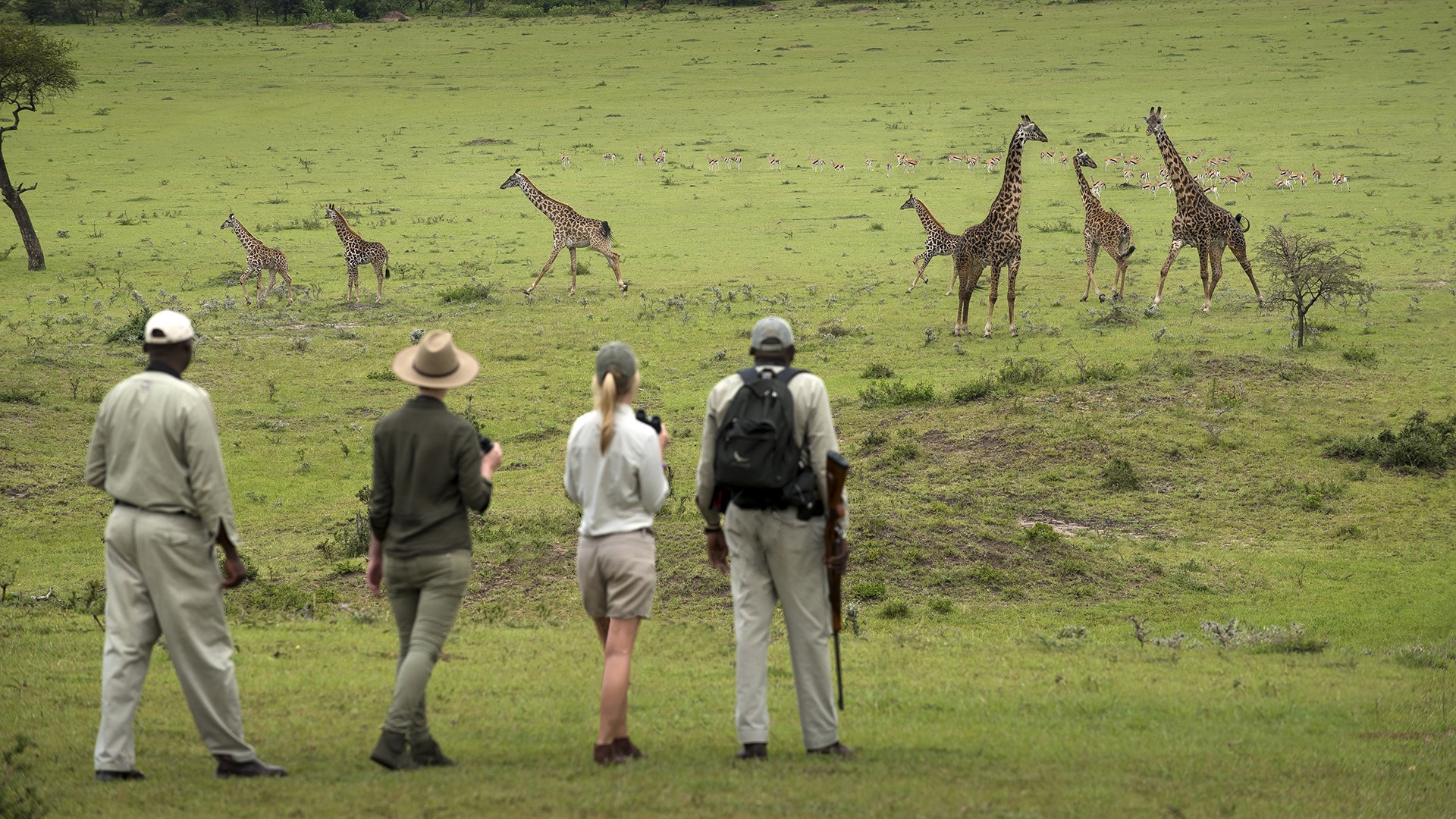
While you might not see the sheer number of animals that you would on a game drive, the wildlife encounters on a walking safari are much more personal and thrilling. Imagine standing a respectful distance away from a herd of elephants as they move gracefully through the bush, or observing a pride of lions from the ground, feeling the primal connection between predator and prey. Your guide will ensure that these encounters are safe, yet they are undeniably exhilarating, offering a raw, unfiltered view of nature.
The Role of the Guide
The success and safety of your walking safari hinge on the expertise of your guide. In Tanzania, guides are highly trained professionals, often with years of experience and deep knowledge of the terrain. They are skilled in reading animal behavior and will keep you informed about how to act during close encounters. Your guide will also teach you about the flora and fauna of the area, offering insights into the medicinal uses of plants and the habits of the smaller, often overlooked creatures that play vital roles in the ecosystem.
What to Expect in Terms of Terrain
The terrain on a walking safari can vary greatly depending on the region you are exploring. In the savannahs, you will walk through open grasslands dotted with acacia trees, where you might come across zebra, giraffe, and wildebeest. In the more forested areas, like those found in the Ngorongoro Conservation Area, you could be navigating through denser vegetation, listening for the sounds of animals moving through the underbrush. Each landscape offers its own challenges and rewards, with every step bringing new discoveries.
The Experience of Being on Foot
Being on foot in the African wilderness is an experience unlike any other. Without the noise of an engine, the sounds of the bush become more vivid—the call of a distant bird, the rustle of leaves as a small mammal scurries by, or the gentle breeze moving through the trees. You become acutely aware of your surroundings, every sense heightened as you move through the landscape. The pace of a walking safari is slow and deliberate, allowing you to take in the details that you might miss on a game drive.
Safety Considerations
Safety is paramount on a walking safari. While the thrill of being on foot adds to the experience, it also requires adherence to strict safety protocols. Your guide will carry a firearm, a standard precaution on walking safaris, but it is rarely, if ever, used. Instead, the focus is on understanding and respecting the animals’ space and behavior. You will be instructed to follow the guide’s lead at all times, walk in a single file, and keep noise to a minimum. This respectful approach ensures that both you and the wildlife remain safe.
The Emotional Impact
A walking safari in Tanzania is as much about the emotional journey as it is about the physical one. There is a profound sense of connection and humility that comes from being on foot in the wild. You will leave the experience with a deeper appreciation for the natural world, having seen it in its most unfiltered form. Many describe the experience as life-changing, a rare opportunity to disconnect from the modern world and reconnect with nature in its purest state.
Practical Tips for a Walking Safari
– Footwear: Comfortable, sturdy hiking boots are essential, as you will be traversing various terrains.
– Clothing: Lightweight, neutral-colored clothing is best to blend in with the environment. Long sleeves and pants are recommended to protect against the sun and insects.
– Hydration: Carrying sufficient water is crucial, as the African sun can be unforgiving.
– Binoculars: A good pair of binoculars will enhance your experience, allowing you to observe wildlife from a safe distance.
– Camera: While the focus of a walking safari is on the experience, having a camera to capture special moments can be rewarding.
A Tanzania walking safari is a journey into the heart of the African wilderness, offering a unique and profound connection with nature. It is an experience that will challenge your senses, stir your emotions, and leave you with memories that will last a lifetime. Whether it’s your first time on safari or you’re a seasoned traveler, a walking safari in Tanzania is an adventure not to be missed.

