
Ruaha National Park
Ruaha National Park
Ruaha National Park is Tanzania’s largest national park, sprawling over an impressive 20,226 square kilometers in the heart of the country. This remote and rugged wilderness is one of Africa’s best-kept secrets, offering a truly authentic safari experience far from the more tourist-heavy destinations. The park is named after the Great Ruaha River, which flows along its southeastern border, providing a lifeline for the park’s diverse array of wildlife. Ruaha’s landscape is a striking mix of baobab-studded plains, rocky outcrops, and miombo woodlands, creating a dramatic backdrop for the incredible biodiversity found within its boundaries.
Ruaha remains relatively untouched, preserving its raw beauty and ensuring that visitors can enjoy a more intimate connection with nature. The park’s isolation contributes to its appeal, drawing those seeking solitude and a deeper understanding of Africa’s untamed wilderness. As a transition zone between the eastern and southern African biomes, Ruaha boasts a unique blend of wildlife and vegetation, making it a fascinating destination for naturalists and wildlife enthusiasts alike.
Wildlife Experiences
Ruaha National Park is a wildlife enthusiast’s dream, home to an incredible variety of species, some of which are rarely seen in other parts of Africa. The park is particularly famous for its large populations of predators, including lions, leopards, cheetahs, and hyenas. Ruaha is known as one of the best places in the world to see prides of lions, with some prides numbering over 20 individuals. The lions here are known for their size and power, often seen hunting large prey such as buffalo and giraffe.
Leopard sightings are also frequent, particularly in the park’s rocky outcrops and along the riverbanks. Cheetahs are less common but can be spotted in the open plains. Ruaha is also one of the few places in Tanzania where you can see the endangered African wild dog, a rare and thrilling sight for any safari-goer.
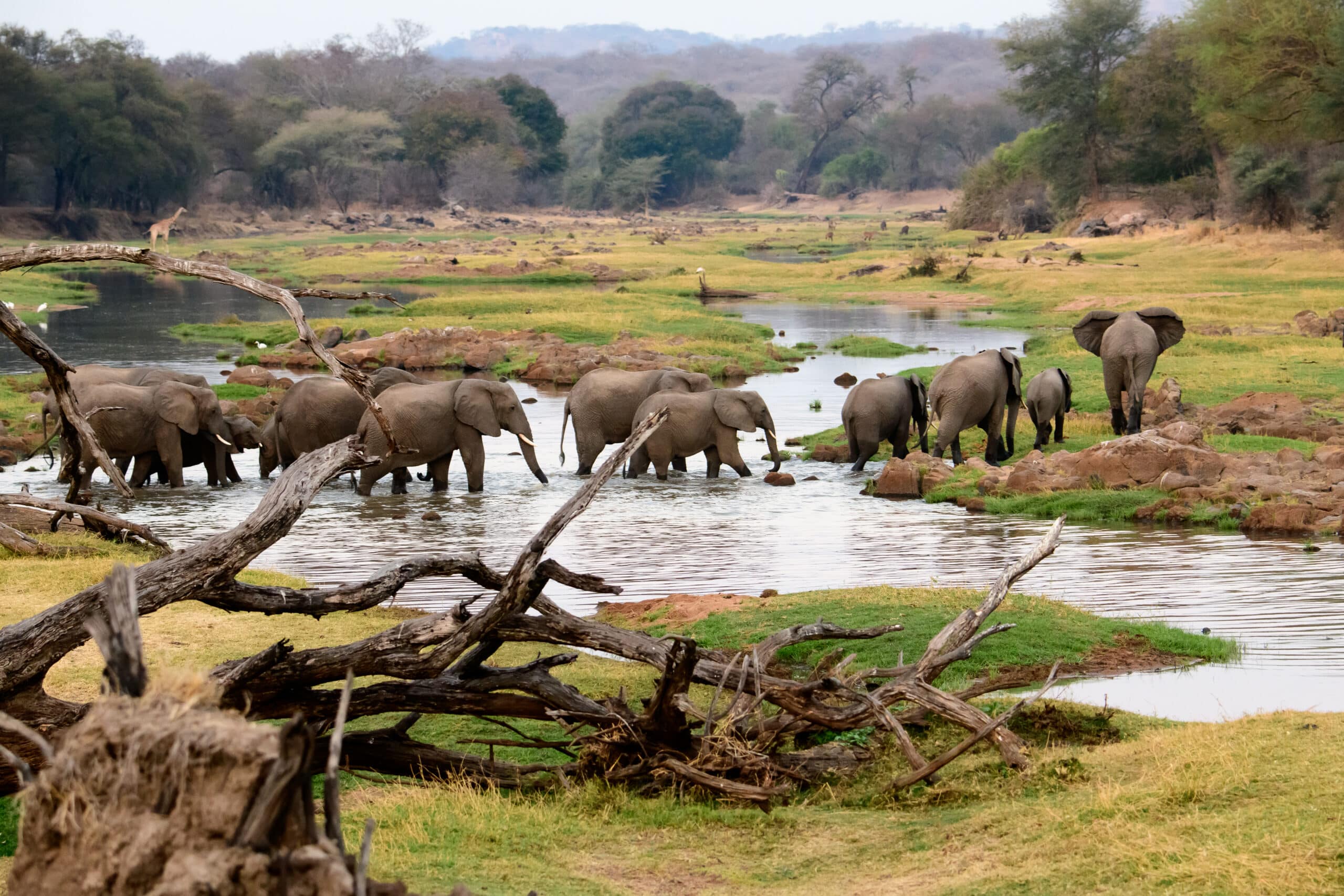
Elephants are abundant in Ruaha, with the park hosting one of the largest populations in East Africa. These majestic creatures are often seen in large herds, particularly around the Great Ruaha River, where they come to drink and bathe. The park is also home to significant populations of buffalo, giraffe, zebra, and various antelope species, including greater kudu, sable, and roan antelope.
Birdwatchers will find Ruaha to be a paradise, with over 570 bird species recorded in the park. The varied habitats support a wide range of avian life, from large raptors like the martial eagle to colorful species like the lilac-breasted roller and the African paradise flycatcher. The park’s rivers and wetlands attract a variety of waterbirds, including storks, herons, and kingfishers, adding to the diversity of wildlife experiences in Ruaha.
Things to Do
A visit to Ruaha National Park offers an array of activities that allow visitors to immerse themselves in the park’s untamed wilderness. Game drives are the primary way to explore Ruaha, with both morning and afternoon drives offering the best opportunities to observe wildlife. The park’s expansive landscapes and low visitor numbers create an exclusive safari experience, where sightings are often enjoyed in solitude.
For a more intimate encounter with Ruaha’s wildlife, guided walking safaris are highly recommended. Led by experienced guides, these walks offer a unique perspective on the park’s ecosystems, allowing visitors to track animals on foot, learn about the flora, and gain insights into the smaller, often overlooked creatures that inhabit the bush.
Another exhilarating experience in Ruaha is a night game drive, where you can witness the park’s nocturnal life come alive. The cooler night air brings out a different set of creatures, including elusive predators like leopards and hyenas, as well as various species of nocturnal birds and insects.
For those interested in the cultural aspects of the region, visits to nearby local villages can be arranged. These excursions provide a glimpse into the lives of the local communities who have coexisted with wildlife for generations. Engaging with the local people, learning about their traditions, and understanding their relationship with the natural world adds a rich, human dimension to the Ruaha experience.
When to Go
Ruaha National Park can be visited year-round, but the best time to go depends on what you want to experience. The dry season, from June to October, is the most popular time to visit. During this period, the vegetation is sparse, and animals are easier to spot as they congregate around the remaining water sources, particularly the Great Ruaha River. The weather is also more pleasant, with cooler temperatures and less humidity.
The wet season, from November to May, offers a different experience. The landscape transforms into a lush, green paradise, and the park is less crowded with tourists. While wildlife may be more dispersed due to the abundance of water, this is the best time for birdwatching, as migratory species arrive, and many resident birds are in their breeding plumage. The wet season also coincides with the calving season for many herbivores, providing opportunities to see newborn animals and predator interactions.
Ruaha’s remoteness and vastness ensure that, regardless of when you visit, you’ll enjoy a sense of exclusivity and connection with nature that is increasingly rare in today’s world. Whether you seek the thrill of predator encounters or the peaceful beauty of the park’s landscapes, Ruaha National Park offers an unforgettable safari experience.