
Serengeti National Park
Serengeti National park
Serengeti National Park, one of the most iconic wildlife reserves in the world, is located in northern Tanzania and spans over 14,750 square kilometers (5,700 square miles). The park forms part of the larger Serengeti ecosystem, which includes the Ngorongoro Conservation Area, Maswa Game Reserve, and Kenya’s Maasai Mara National Reserve. Serengeti’s name is derived from the Maasai word “Siringet,” which means “the place where the land runs on forever,” aptly describing its vast, open plains. The park is renowned for its abundant wildlife, particularly the annual Great Migration, which sees over 1.5 million wildebeest, along with hundreds of thousands of zebras and gazelles, move in search of greener pastures. Declared a UNESCO World Heritage Site in 1981, Serengeti National Park is a living testament to nature’s grandeur and a must-visit destination for wildlife enthusiasts.
Wildlife Experiences
The Great Migration
The Serengeti’s most famous spectacle, the Great Migration, is often referred to as one of the “Seven Natural Wonders of Africa.” This awe-inspiring event is the largest terrestrial mammal migration in the world, involving millions of wildebeest, zebras, and gazelles. Predators like lions, leopards, cheetahs, and crocodiles follow the herds, making for dramatic and intense wildlife encounters. The migration is a year-round event with different stages, including calving in the southern Serengeti, crossing the Grumeti and Mara rivers, and returning south as the cycle continues.
Big Five Safaris
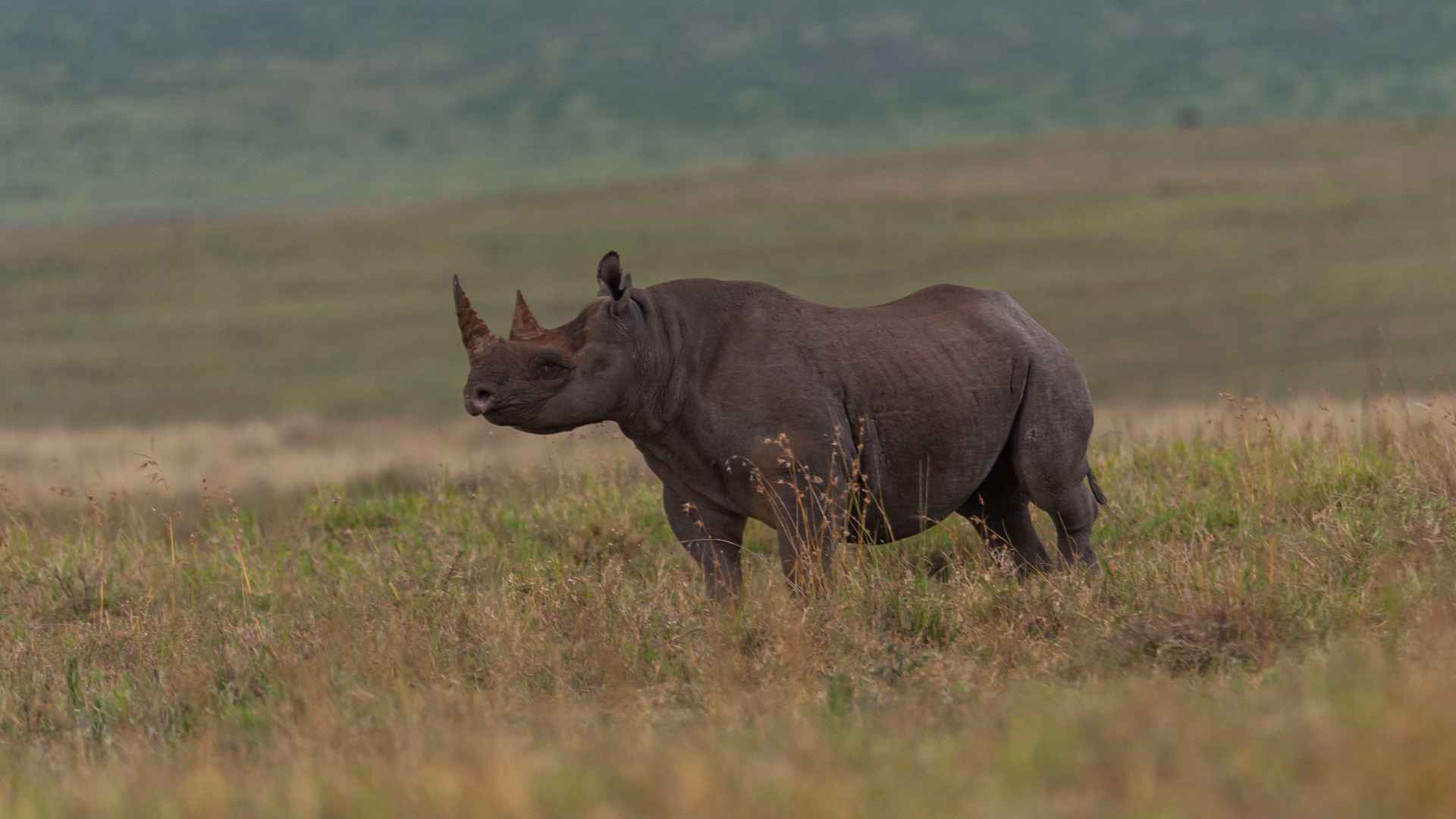
Serengeti National Park is home to the “Big Five” — lion, leopard, elephant, buffalo, and rhinoceros — making it one of the best places in Africa to see these iconic animals. Game drives offer a chance to spot these creatures in their natural habitat, often with stunning backdrops of acacia-dotted savannas or rocky kopjes. The Serengeti is particularly famous for its high density of lions, with estimates of over 3,000 individuals roaming the park.
Hot Air Balloon Safaris
A hot air balloon safari over the Serengeti offers a unique perspective on the landscape and its wildlife. As you drift silently above the plains at sunrise, you’ll witness the vastness of the Serengeti and the wildlife below, from herds of elephants and giraffes to prowling predators. This once-in-a-lifetime experience often concludes with a champagne breakfast in the bush, making it a perfect way to celebrate the beauty of the African wilderness.
Bird Watching
With over 500 bird species, Serengeti National Park is a paradise for birdwatchers. The park’s varied habitats — including rivers, swamps, and woodlands — support a diverse avian population. Highlights include the Kori bustard (the world’s heaviest flying bird), the striking lilac-breasted roller, and large flocks of ostriches. Migratory birds from Europe and Asia also add to the diversity, especially during the wet season.
Cultural Visits
The Serengeti region is not just about wildlife; it also offers cultural experiences with the local Maasai people. Visiting a Maasai village provides insight into the traditional way of life, with opportunities to learn about their customs, dress, and livestock-rearing practices. These cultural interactions enrich the overall experience of visiting the Serengeti and provide a deeper understanding of the region’s human history.
Things to Do
Game Drives
Game drives are the most popular activity in the Serengeti, offering close encounters with a wide variety of animals. Whether it’s an early morning drive to catch predators in action or a late afternoon excursion to see elephants at a waterhole, every drive is filled with the potential for unforgettable sightings. Guided by experienced rangers, game drives allow visitors to explore different parts of the park, each with its own unique ecosystem and wildlife.
Guided Walking Safaris
For those who prefer a more intimate and adventurous experience, guided walking safaris are available in certain areas of the Serengeti. Accompanied by armed guides, these walks offer a chance to explore the African bush on foot, learning about the smaller details of the ecosystem, such as plants, insects, and tracks left by animals. Walking safaris provide a thrilling sense of immersion in the wilderness, allowing you to experience the Serengeti in a way that is impossible from a vehicle.
Photographic Safaris
The Serengeti is a photographer’s dream, offering endless opportunities to capture stunning images of wildlife, landscapes, and the dramatic African sky. Photographic safaris are designed to cater to both amateur and professional photographers, with expert guides who understand the best angles, lighting, and timing for capturing that perfect shot. These safaris often focus on specific wildlife events, such as the Great Migration or predator interactions.
Bush Dining
Experiencing a meal in the middle of the Serengeti is a unique and memorable event. Bush dining allows you to enjoy gourmet meals surrounded by the sights and sounds of the African wilderness. Whether it’s a breakfast by the Mara River after an early morning game drive or a candlelit dinner under the stars, bush dining is an experience that combines the best of luxury and nature.
When to Go
The Serengeti offers rewarding experiences throughout the year, but the timing of your visit can greatly influence what you see.
December to March (Calving Season)
This period marks the calving season in the southern Serengeti, particularly around the Ndutu region. During these months, wildebeest give birth to thousands of calves each day. The abundance of vulnerable young animals attracts predators, making it an excellent time for witnessing dramatic hunts. The landscape is lush and green following the short rains in November, and birdwatching is superb due to the presence of migratory species.
April to June (Migration Northward)
As the rains taper off, the herds begin their migration northward towards the central and western Serengeti. This is a great time to visit if you want to see the vast herds on the move, along with the predators that follow them. The Western Corridor, near the Grumeti River, becomes a focal point as the animals prepare to cross this crocodile-infested waterway.
July to October (River Crossings and Dry Season)
This period is characterized by the dramatic river crossings at the Grumeti and Mara rivers. The sight of thousands of wildebeest and zebras braving the waters, often with crocodiles lying in wait, is one of the most exhilarating wildlife spectacles. The dry season is also an excellent time for general wildlife viewing, as animals congregate around water sources, making them easier to spot.
November (The Short Rains)
November brings the short rains, and with them, the return of the herds to the southern plains. This is a shoulder season, with fewer tourists and more affordable accommodation options. The landscape begins to green up, providing a beautiful backdrop for photography. Wildlife viewing remains excellent, as the animals are still concentrated in the central Serengeti before dispersing across the southern plains.
Conclusion
Serengeti National Park is a natural wonder that offers unparalleled wildlife experiences, from the world-famous Great Migration to intimate cultural interactions with the Maasai. Whether you’re a seasoned safari-goer or a first-time visitor, the Serengeti’s diverse ecosystems and abundant wildlife provide endless opportunities for adventure and discovery. Timing your visit according to the seasonal movements of the animals ensures a rewarding and unforgettable journey into one of the wildest places on Earth.