
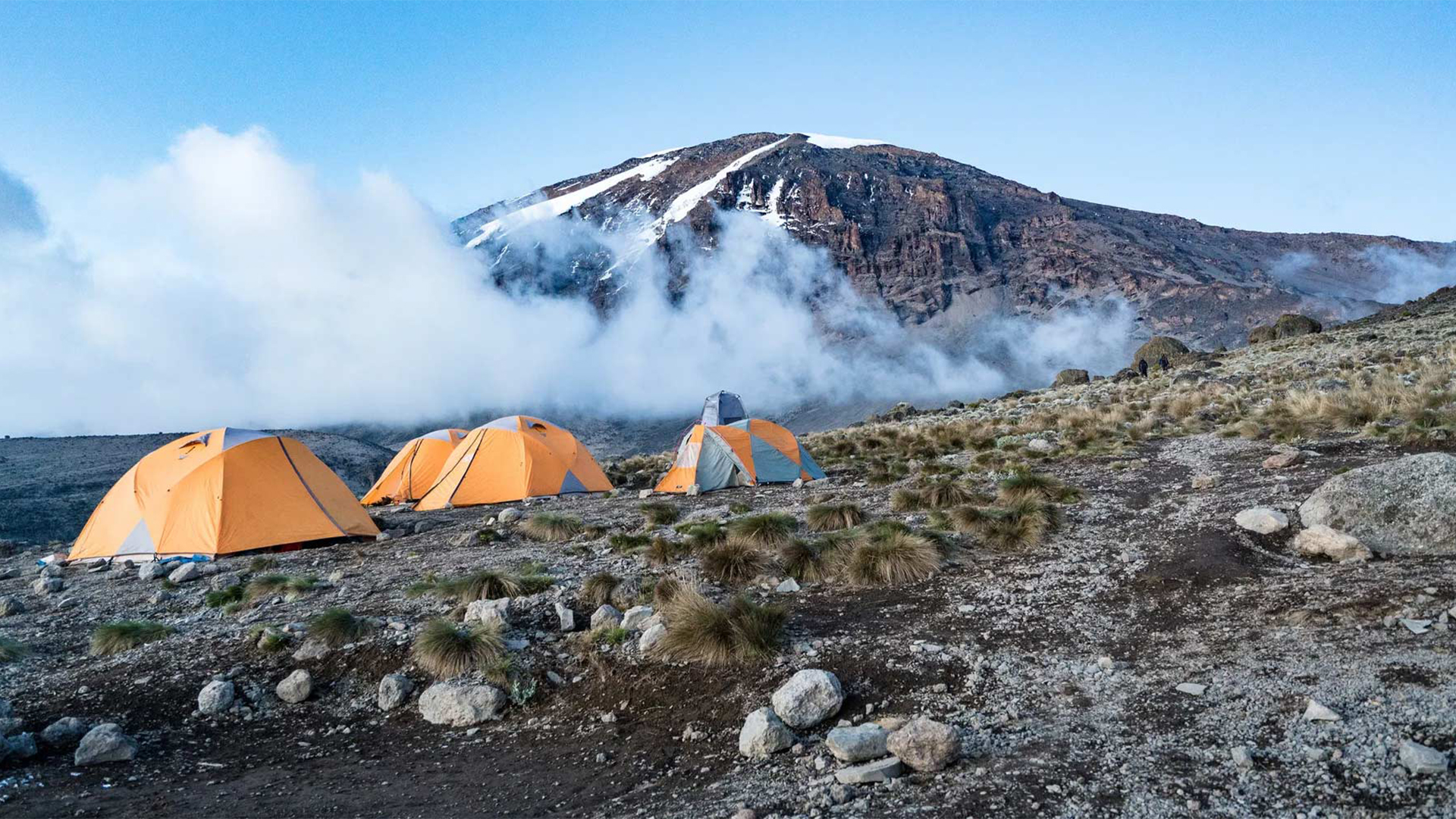
What Do People Do at Kilimanjaro Campsites?
Climbing Mount Kilimanjaro is an extraordinary adventure, one that takes you through a variety of ecosystems, from lush rainforests to arid alpine deserts. However, the climb is as much about the journey as it is about the destination. An integral part of this journey is the time spent at the campsites dotted along the various routes leading to the summit. Each night, climbers settle into these camps, which serve as temporary homes in the wilderness, where they eat, sleep, and prepare for the next day’s climb. But beyond these basic activities, life at Kilimanjaro campsites offers a unique blend of camaraderie, reflection, and acclimatization that is vital to a successful ascent.
Setting Up Camp: The First Task
Upon arrival at a campsite, the first task for most climbers is to get settled. Porters, who are the unsung heroes of the Kilimanjaro climb, often arrive ahead of the climbers and begin setting up the tents. These tents, usually durable and weather-resistant, become your sanctuary against the elements. Climbers may spend time organizing their gear, laying out sleeping bags, and making sure everything is in place for the night ahead. For many, this ritual of setting up camp is the first opportunity to decompress after a long day of trekking.
Meals and Socializing
One of the highlights of any day on Kilimanjaro is the communal mealtime. After hours of climbing, everyone is eager for nourishment, and the camp’s mess tent becomes the center of activity. Meals are prepared by skilled cooks, often including hearty soups, pasta, rice, vegetables, and sometimes meat, depending on the route and the outfitter. Despite the simplicity of the fare, the food is usually delicious, and more importantly, it’s designed to provide the energy needed for the climb.
Mealtimes also provide an opportunity for socializing. Climbers from different parts of the world come together, sharing stories, experiences, and even concerns about the days ahead. It’s a time to bond, forge friendships, and offer mutual encouragement. These interactions create a sense of community, a vital component of the Kilimanjaro experience, as the journey is as much mental as it is physical.
Health Checks and Acclimatization
Acclimatization is critical when climbing Kilimanjaro. Each night, climbers undergo health checks, often administered by guides, to monitor their physical condition. These checks typically include measuring blood oxygen levels and heart rate to ensure that climbers are coping well with the altitude. This is especially important at higher camps, where the effects of altitude can be more pronounced.
Climbers are encouraged to drink plenty of water and take short walks around the campsite to help with acclimatization. These activities might seem minimal, but they play a crucial role in adjusting to the thin air at higher altitudes. The concept of “climb high, sleep low” is often practiced, where climbers ascend to a higher altitude during the day and return to a lower altitude to sleep, further aiding acclimatization.
Rest and Reflection
Evenings at Kilimanjaro campsites are often quiet, offering a perfect time for rest and reflection. The day’s exertions usually leave climbers exhausted, and most turn in early to recharge for the next day’s trek. However, before retreating to their tents, many take a moment to absorb their surroundings. The night sky over Kilimanjaro is often breathtaking, with stars shining brighter than in most places on earth due to the lack of light pollution. Some climbers find this time spiritually enriching, contemplating the challenge ahead and the beauty of the environment around them.
Others might use this time to journal their experiences, capturing the emotions, thoughts, and physical challenges of the day. This reflective practice helps climbers mentally prepare for the ascent while also creating a lasting record of their journey.
Preparing for the Next Day
Preparation is key to a successful Kilimanjaro climb. Each evening, climbers spend time organizing their gear for the next day. This includes checking their clothing layers, packing snacks, and ensuring that water bottles are filled. Guides often provide a briefing on what to expect during the next day’s hike, including the terrain, expected weather conditions, and the amount of time the hike will take. These briefings help climbers mentally and physically prepare for the challenges ahead.
Some routes, like the Machame or Lemosho, may have particularly difficult sections that require more preparation. For instance, if the next day involves crossing the Barranco Wall or the summit push from Barafu Camp, climbers might spend extra time ensuring they are ready for these physically demanding stages.
Entertainment and Campfire Stories
While Kilimanjaro campsites are not known for luxury, they are rich in culture and tradition. In the evenings, guides and porters often gather with the climbers, sharing stories and even songs. These campfire gatherings, although simple, are filled with laughter and song, offering a glimpse into the local Chagga and Maasai cultures. The songs, often in Swahili, are rhythmic and uplifting, creating an atmosphere of celebration and unity.
For those who prefer solitude, the quiet of the night offers an opportunity to read or simply sit and take in the sounds of the African wilderness. The rustle of the wind, the distant call of animals, and the crackling of a campfire can be both soothing and meditative.
The Summit Night: A Special Camp Experience
One of the most significant experiences at a Kilimanjaro campsite is the night before the summit attempt. This is usually at a high camp like Barafu or Kibo. The atmosphere is a mix of anticipation, anxiety, and excitement. Climbers often retire to their tents early in the evening, as the summit push typically begins around midnight. The early hours of this night are spent in quiet preparation, laying out gear, and mentally focusing on the task ahead.
Sleep, however, is often elusive due to the altitude and the anticipation of the challenging climb to come. Despite the lack of sleep, the adrenaline and the shared goal of reaching the summit push climbers to rise in the middle of the night, ready to take on the final ascent under the stars.
Life at Kilimanjaro campsites is a unique blend of adventure, camaraderie, and personal challenge. It is a time for climbers to rest, refuel, and prepare both physically and mentally for the journey ahead. The activities at these campsites go beyond mere survival; they are essential rituals that contribute to the overall success of the climb. From the simple act of setting up a tent to the profound experience of a summit night, the time spent at these campsites is an integral part of the Kilimanjaro experience. It is where climbers find strength in themselves and each other, forming bonds that last well beyond the descent back to everyday life.

